 admin
adminJeff Shi Reflects on Wolves’ Struggles and the Importance of Unity Behind the Scenes
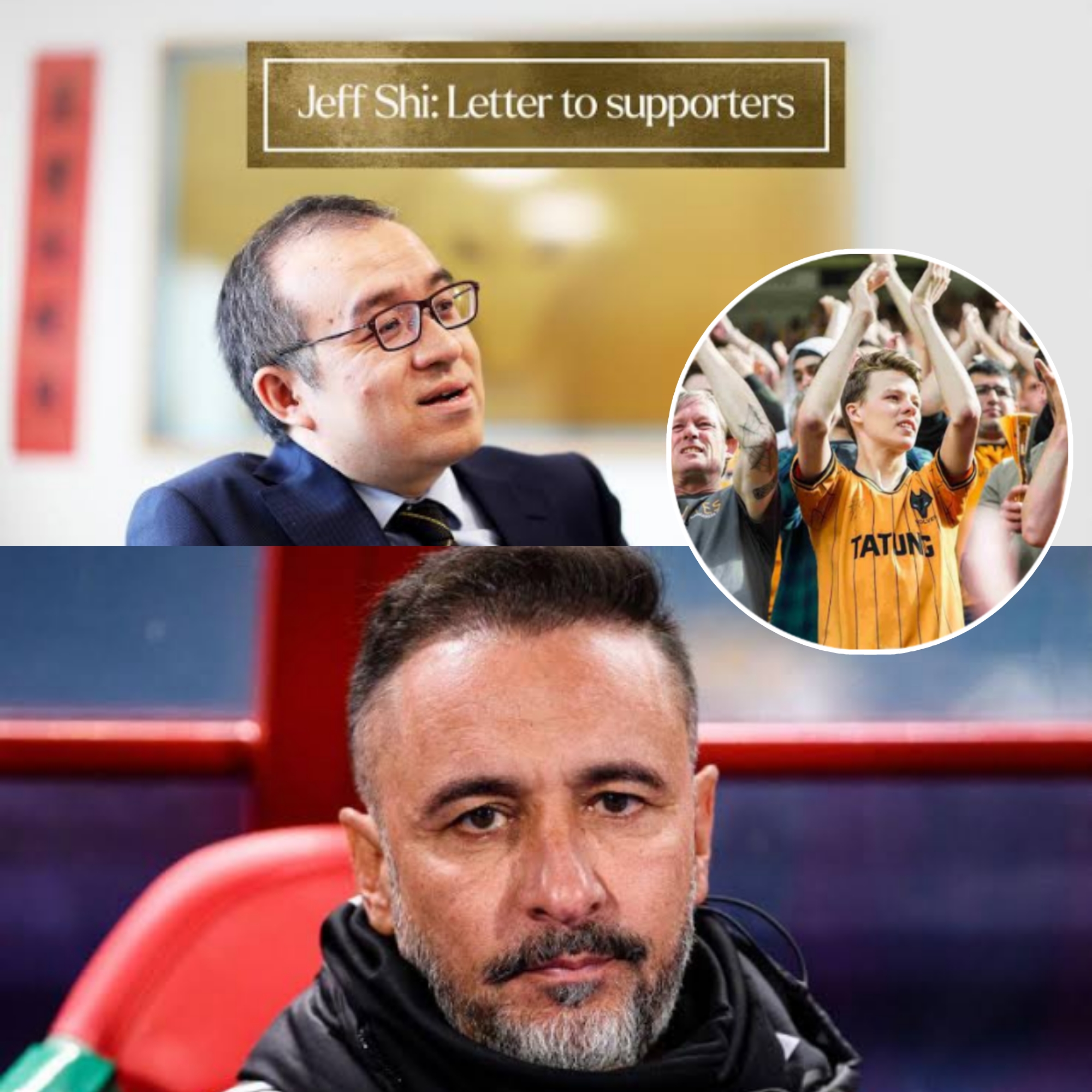
Wolves chairman Jeff Shi believes the club’s off-field missteps were a major factor in their brush with relegation last season. Despite a late-season turnaround under new manager Vitor Pereira, Shi admits that internal issues—not the quality of the squad—were largely to blame for their struggles.
Speaking on the Business of Sport podcast, Shi explained that while Gary O’Neil’s team had the potential to avoid the drop, a lack of leadership and communication behind the scenes led to poor morale and discipline.
“We’ve done a thorough review of last season and honestly, we had a good team,” Shi said. “Even under Gary, we weren’t a side that should’ve been stuck in the bottom three for so long. But we lacked leadership. The dressing room wasn’t communicating properly, and discipline slipped. Without leadership, the players lost motivation.”
The club eventually made significant changes mid-season. O’Neil was relieved of his duties, and Vitor Pereira was appointed. Wolves also refreshed the squad in January, offloading unhappy players and bringing in fresh faces.
“January was almost perfect,” Shi added. “We rebuilt the team. We had a new captain, a new coaching setup, and clearer direction. The squad wasn’t the issue—it was our decisions off the pitch that went wrong. In hindsight, we probably parted ways with Gary too late.
The team had already lost form and belief. Sometimes, emotional attachments to people you work with daily can delay necessary decisions.”
Looking ahead, Wolves are now focused on maintaining a healthy balance within the squad. That means letting go of fringe players and bringing in reinforcements with a strong emphasis on collaboration between the coaching staff and club leadership.
Shi emphasized the importance of “chemistry” between the head coach and the board when it comes to recruitment. “The manager gives us the profiles and positions he wants to fill, sometimes a few names he prefers,” he said. “We then do our due diligence, bring forward a shortlist, and the coach has final say. It’s a mutual process—both sides have to agree.”
He clarified that while the term “veto” might sound harsh, the reality is more about shared understanding. “We try to respect the manager’s opinions, but he also needs to understand our club philosophy, financial limits, and team balance. Not every coach embraces that dynamic, and when the chemistry isn’t there, it doesn’t work.”
Shi recalled a past situation with a manager who demanded a specific signing or threatened to leave. Though Wolves eventually agreed, the coach left soon after. “If a coach wants to stay longer than a couple of years, there has to be trust and a shared vision with the club leadership,” he concluded. “Understanding the club’s identity, limitations, and ambitions is crucial for long-term success.”


 admin
admin