 admin
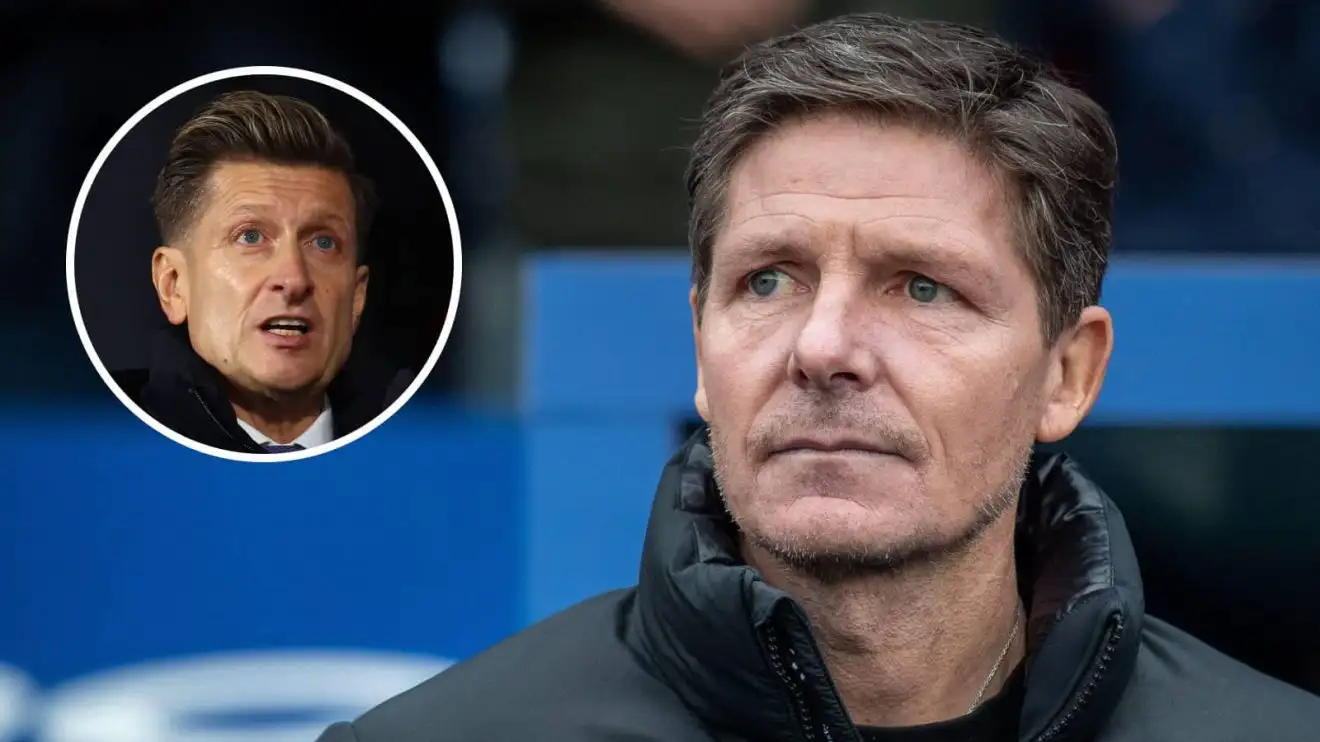
adminWith uncertainty surrounding Glasner’s future at Selhurst Park and expectations growing that the Austrian will depart at the end of the season – or potentially even earlier – Palace’s recruitment planning has accelerated behind the scenes.
As part of that process, chairman Steve Parish has reportedly returned to a name he knows well and admires greatly: Lampard.
Sources close to the situation suggest that Parish has held Lampard in high regard for some time, dating back to previous discussions between the two about the possibility of the former England international taking charge of the Eagles.
While those talks did not materialise into an appointment on earlier occasions, circumstances have now shifted, and Lampard’s profile has once again risen sharply within Palace’s thinking.
Parish is understood to view Lampard as a manager who fits the club’s broader identity and long-term ambitions.
His Premier League pedigree, combined with his growing reputation for developing young players and implementing proactive football, has placed him firmly back in contention as Palace weigh up their next move.
Lampard’s managerial stock has risen significantly in recent months thanks to his work at Coventry City, where he has overseen an impressive turnaround and restored much of the credibility that had been questioned following challenging spells at Chelsea and Everton.
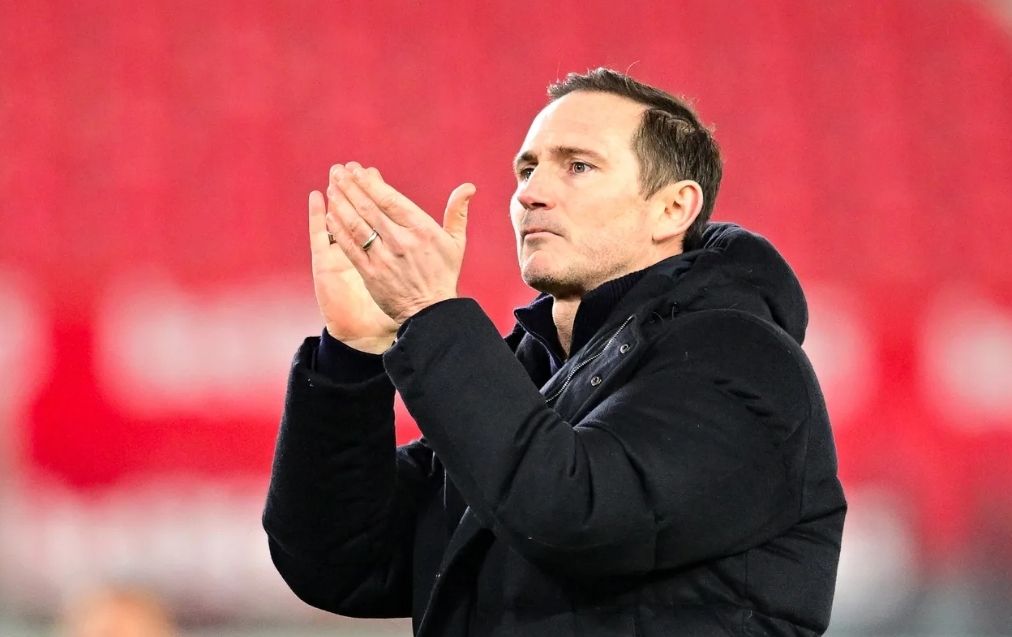
At Coventry, Lampard has been credited with building a clear tactical identity based on energetic, attacking football, while also instilling belief and discipline within the squad.
Observers close to the Championship club have described Lampard’s impact as transformative. Players have responded positively to his clarity of communication, his enthusiasm on the training ground, and his willingness to place trust in younger members of the squad.
Under his guidance, Coventry have played with renewed confidence, balance, and cohesion, attributes that have not gone unnoticed by decision-makers across the Premier League.
This resurgence has been particularly important for Lampard personally. Once regarded as one of the brightest young coaches in English football following his early success at Derby County and Chelsea, his reputation suffered after difficult periods in the Premier League.
However, his Coventry spell has allowed him to rebuild away from the intense spotlight of the top flight, refining his approach and demonstrating growth as a tactician and leader.
From Crystal Palace’s perspective, Lampard represents a blend of experience and potential that is difficult to ignore.
He understands the demands of the Premier League, both as a former elite player and as a manager who has navigated relegation battles and European qualification races.
At the same time, he remains relatively young in managerial terms and is seen as someone capable of evolving alongside the club.
One of the key factors working in Lampard’s favour is his proven track record of developing talent.
Palace have long prided themselves on nurturing young players and providing pathways from academy to first team.
Lampard’s history of trusting and improving emerging talents aligns neatly with that philosophy, making him an attractive fit for a squad that blends experienced professionals with promising youth.
Lampard’s playing career also adds to his appeal. As one of the most decorated midfielders of his generation, he won three Premier League titles and a Champions League trophy with Chelsea, cementing his status as a modern great.
That pedigree continues to command respect in dressing rooms, particularly among younger players who grew up watching him at the highest level.
While playing success does not automatically translate into managerial excellence, Palace’s hierarchy reportedly believe that Lampard’s experiences – both positive and challenging – have shaped him into a more rounded coach.
His exposure to different club cultures, ownership models, and competitive pressures is seen as valuable in a league as demanding as the Premier League.
Despite this, Lampard is not being viewed as the automatic or sole choice. Palace have been methodical in their approach, aware for several months that Glasner’s tenure was likely nearing its conclusion.
As a result, Parish and the club’s senior figures have conducted extensive due diligence on a wide range of potential candidates, both domestic and overseas.
Among the alternative options being monitored is Rayo Vallecano head coach Inigo Perez, whose tactical approach and adaptability have impressed Palace scouts.
Perez is regarded as a progressive coach with a modern outlook, capable of organising teams effectively while encouraging attacking intent.
Getafe’s Pepe Bordalas is another name on the club’s shortlist. Known for his pragmatic, highly structured style, Bordalas has built a reputation for maximising results with limited resources.
While his approach contrasts with some of Palace’s more expansive ideals, his ability to instil resilience and competitiveness has earned admiration.
Lens manager Pierre Sage has also caught Palace’s attention. His work in Ligue 1 has highlighted his ability to manage transitions within a squad and maintain performance levels despite player turnover.
Sage is viewed as a coach with strong organisational skills and a clear footballing identity.
In addition, Palace have been monitoring another Austrian coach, Hoffenheim’s Christian Ilzer. Ilzer’s tactical intelligence and experience within the Bundesliga have placed him firmly on the Eagles’ radar, particularly given the club’s recent openness to continental managerial appointments.
Nevertheless, Lampard’s name has steadily risen back to prominence within Palace’s internal discussions.
His familiarity with English football, combined with his renewed confidence and momentum at Coventry, has strengthened his case at a time when the club may be seeking stability alongside ambition.
If Parish opts to make a decisive, forward-thinking appointment that balances short-term competitiveness with long-term development, Lampard could emerge as a leading candidate.
His appointment would represent both a calculated gamble and a statement of intent, signalling Palace’s desire to evolve while remaining rooted in Premier League realities.
There is also a sense that Lampard himself may now be better prepared for another opportunity at the highest level.
Having reflected on previous challenges and refined his methods, he is believed to be selective about his next move, keen to ensure it aligns with his values and offers the right environment to succeed.
As things stand, no final decision has been made, and Palace are expected to continue assessing all options before committing to a new manager.
However, with Glasner’s exit drawing closer, the pace of discussions is likely to increase.
Should Palace decide that familiarity, growth potential, and Premier League know-how are the priorities, Frank Lampard could soon find himself back in the top-flight dugout.
While competition for the role remains strong, his quiet re-emergence as a leading contender suggests that a return to the Premier League may not be far away.


 admin
admin