 admin
adminThe Premier League once again found itself under heavy scrutiny after releasing VAR audio from a controversial moment involving Malick Thiaw during a heated clash between Newcastle United and Sunderland.
The incident, which took place in a fiercely contested Tyne-Wear derby, reignited debate over the consistency and transparency of video refereeing in English football.
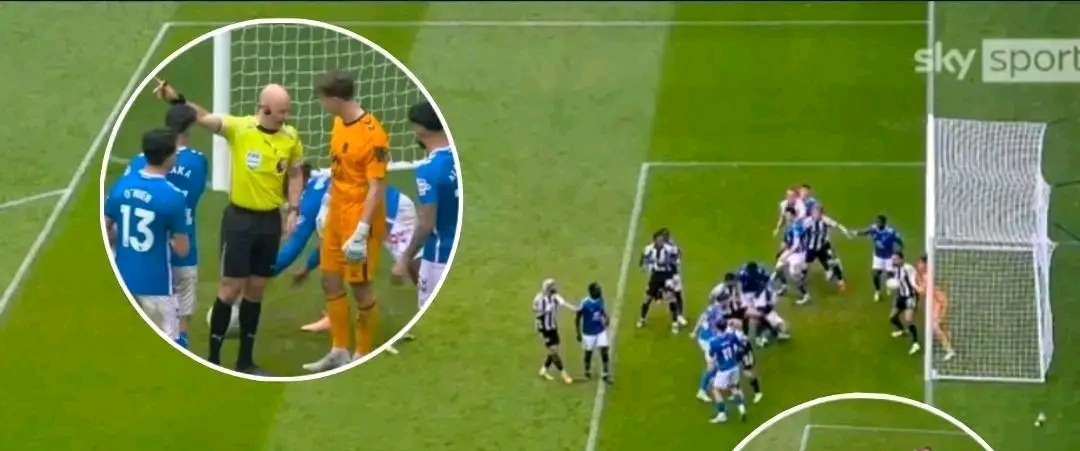
Thiaw appeared to have given Newcastle the lead when he powered in a header from a corner, sparking wild celebrations among players and fans.
However, the joy was short-lived as the assistant referee flagged for offside, leading to a lengthy VAR review. After several minutes of deliberation, the goal was ruled out, leaving Newcastle furious.
Amid mounting pressure from supporters, pundits, and even rival managers, the Premier League took the unusual step of releasing the VAR audio to explain the decision.
The recording revealed a tense exchange between officials, with the VAR initially checking for offside before shifting focus to possible interference. One official noted that Thiaw’s positioning may have obstructed a defender, describing the situation as “marginal.”
Ultimately, the decision was confirmed as “subjective interference,” and the goal remained disallowed. The explanation highlighted just how interpretive the rule can be, particularly in crowded penalty-area situations.
Rather than calming the situation, the audio release only intensified criticism. Many felt the evidence was inconclusive and argued the goal should have stood, while others pointed to similar incidents that were judged differently. Newcastle expressed clear frustration, calling for more consistent and transparent guidelines.
The controversy once again exposes the ongoing challenges facing VAR in the Premier League. While the technology is designed to improve accuracy, moments like this underline the continued reliance on human judgment—often leaving fans and teams with more questions than clarity.


 admin
admin