 admin
adminIpswich Town have been drawn into an unexpected controversy after made a high-profile visit to Portman Road—an episode that has triggered heated debate among supporters and raised concerns over the club’s judgement.
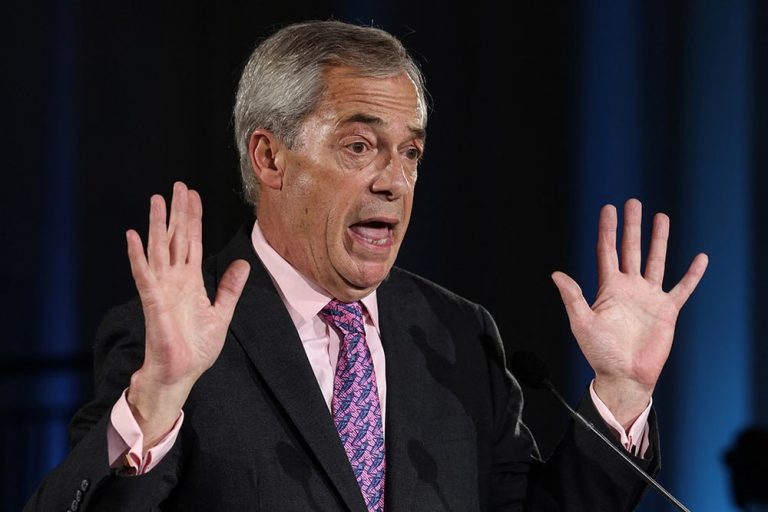
What initially seemed like a routine stadium booking quickly turned into a PR problem. Farage used the visit as a platform for political messaging, with widely shared images showing him posing in a customised Ipswich shirt and touring key parts of the ground. The club, seemingly unaware at first, found itself pulled into a wider political narrative.
A Situation That Escalated Fast
Reports indicate the original booking may not have clearly identified Farage or his political links, putting Ipswich in a difficult position from the outset. However, the real controversy stems from what followed.
Once Farage arrived, the scale and purpose of the visit became obvious. With cameras, security, and a full entourage present, it was clearly more than a standard tour.
At that point, critics say the club faced a crucial choice. Allowing access—especially to private areas like dressing rooms—effectively turned the stadium into a backdrop for political promotion. Whether intentional or not, that decision now sits at the centre of the backlash.
Fan Reaction: Strong and Split
Supporters have reacted passionately, though opinions are divided.
Some feel the club compromised its identity, arguing that even an indirect link to political campaigning clashes with Ipswich’s community-driven values. Others, however, believe the club was in a no-win situation—suggesting that denying access could itself have been seen as a political act.
Both sides reflect just how complex the situation was—and how clearer judgement might have prevented it from escalating.
Blurring the Line Between Sport and Politics
Football clubs regularly host public figures, including politicians, as part of their commercial operations. But this case appears to have crossed an unwritten boundary.
There’s a difference between attending as a guest and using club facilities for political messaging. By allowing the latter, Ipswich unintentionally blurred the line between football and campaigning—something that can quickly spiral in today’s media landscape.
Silence Fueling the Backlash
One of the biggest criticisms has been the club’s lack of response.
Without a clear explanation of what happened or how decisions were made, speculation has filled the void. A transparent statement outlining the facts and next steps could have helped control the narrative.
Instead, the silence has only intensified scrutiny and frustration among fans.
Lessons Moving Forward
This episode offers an important lesson—not just for Ipswich, but for football clubs in general.
Operating at the crossroads of sport, business, and media means situations like this can arise. When they do, clubs need to act quickly and decisively.
For Ipswich, the focus now must be on rebuilding trust—addressing fan concerns, reinforcing club values, and setting clearer rules around stadium use. Openness will be key to moving forward.
A Preventable PR Misstep
In the end, this controversy may not have been entirely unavoidable—but it was manageable.
Ipswich didn’t need to take a political stance. What was required was sharper awareness and firmer decision-making once it became clear the visit was more than routine.
Instead, the club now faces the fallout from a situation that could likely have been contained—serving as a reminder that in modern football, perception can be just as important as reality.

 admin
admin