 admin
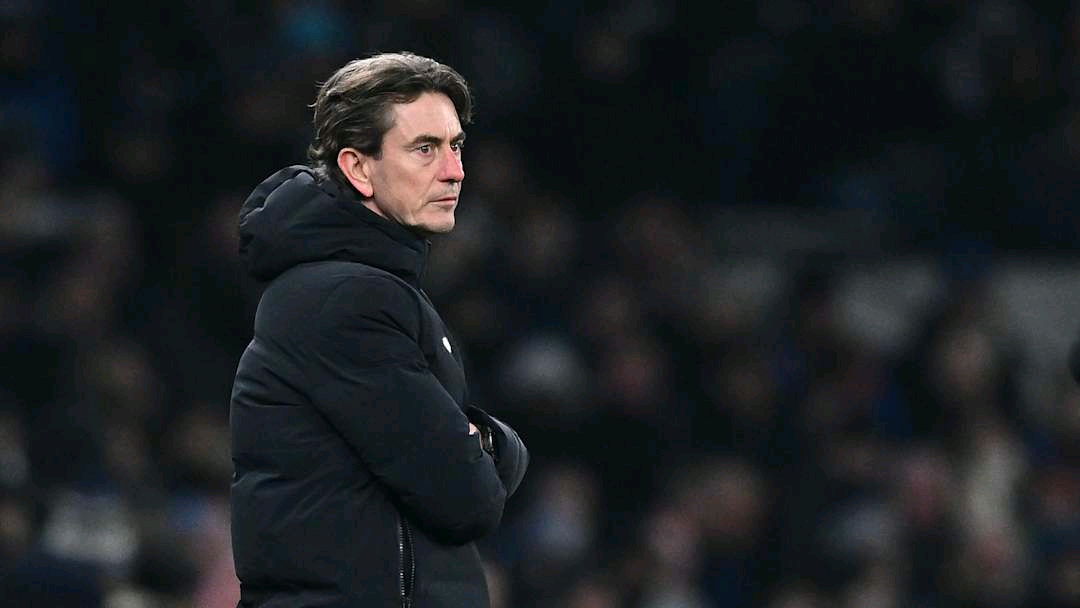
adminThomas Frank sealed his fate with hypocritical response to Tottenham loss vs. West Ham
Tottenham Hotspur endured a humiliating afternoon on Saturday, falling 2-1 to West Ham United at home—a team widely regarded as one of the weaker sides in the Premier League and usually a prime candidate for a rebound defeat.
Yet Spurs were unable to recover because, simply put, they were outplayed from start to finish. Under manager Thomas Frank, Tottenham looked second-best in every area: slow to the ball, tactically disorganized, creatively barren in attack, and completely lacking a threat on goal.
Frank’s choices, both in tactics and personnel, left Spurs exposed once again, frustrating fans who had already lost patience with the manager.
This was a derby defeat, coming just a week after Spurs’ FA Cup exit, and with ample preparation time, Frank still delivered a performance that will likely rank among his worst to date.
Thomas Frank leans on excuses
After the match, Frank followed his familiar pattern: claiming he wouldn’t make excuses, then promptly offering one of the weakest explanations imaginable.
As reported by top Tottenham journalist Alasdair Gold of Football.London, Frank argued that Spurs “could easily have won this 2-1,” while blaming injuries and a lack of scoring from key offensive players.
“I think you all saw the game today. We could easily have won this one 2-1. I think it’s no excuses,” he said. “But also, the reason we’re a little bit down to the bare bones with players.
And we also need some of the offensive players to score a goal or two. All that is difficult for me to do like that and click with a finger.
But I can promise that I’m sitting here, giving everything, every single day. I feel the trust from everyone and there’s only one way, we need to keep going.”
The statement drew widespread ridicule. Frank insists he has “no excuses,” yet immediately blames injuries, his own inability to make players score, and the players themselves.
Fans and pundits alike are left questioning whether he has the competence to lead a top-flight club.
Frank comes across as a manager aware his job is under threat, attempting to justify failure by highlighting his effort rather than results. Any trust he claims from the organization appears misplaced, and supporters have made it clear they have lost confidence in a man who constantly deflects responsibility.
In short: Tottenham fans have had enough—Frank’s tenure appears increasingly untenable.


 admin
admin