 admin
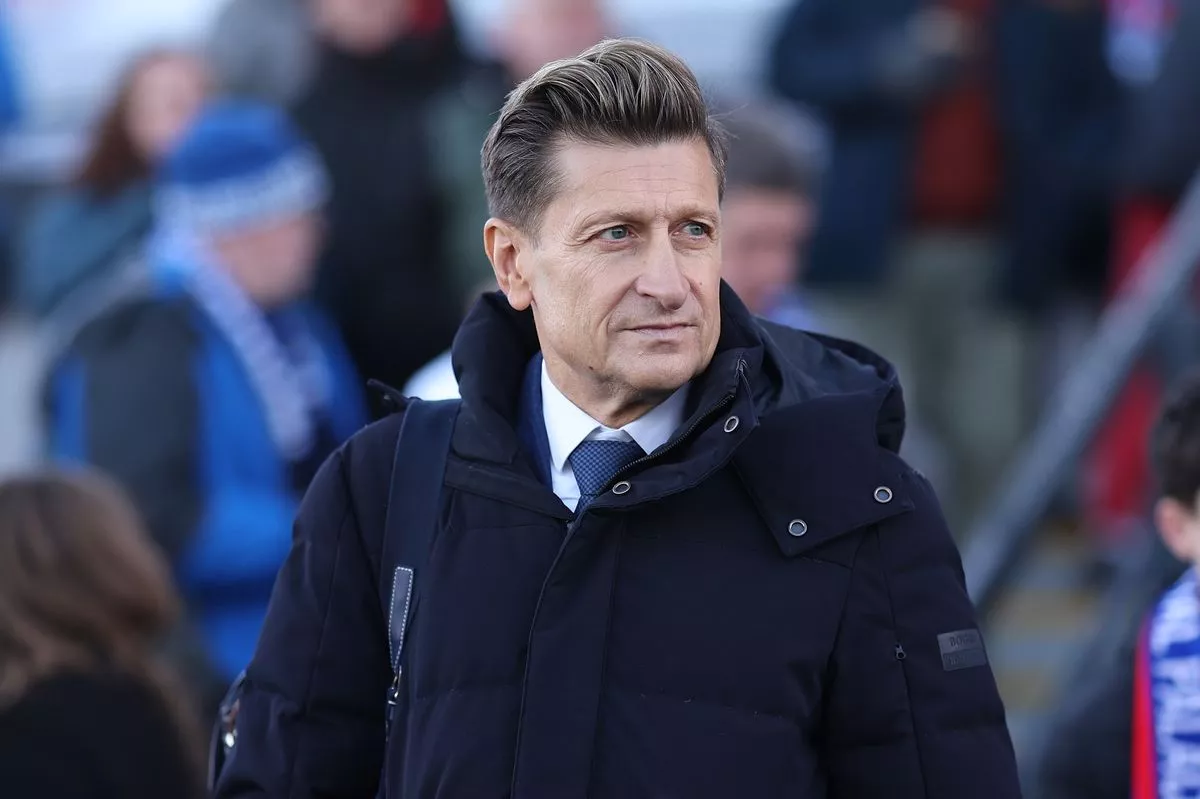
adminCrystal Palace chairman breaks silence on call that left angry Oliver Glasner on verge of leaving
Crystal Palace’s decision to part ways with club captain Marc Guehi in the middle of the season has sent shockwaves through Selhurst Park, exposing deep-seated tensions between the club’s hierarchy and manager Oliver Glasner.
Despite the Austrian coach’s very public objections to weakening his squad during a crucial phase of the campaign, Palace sanctioned the defender’s £30 million move to Manchester City — a call that has ignited debate, frustration, and uncertainty about the club’s direction.
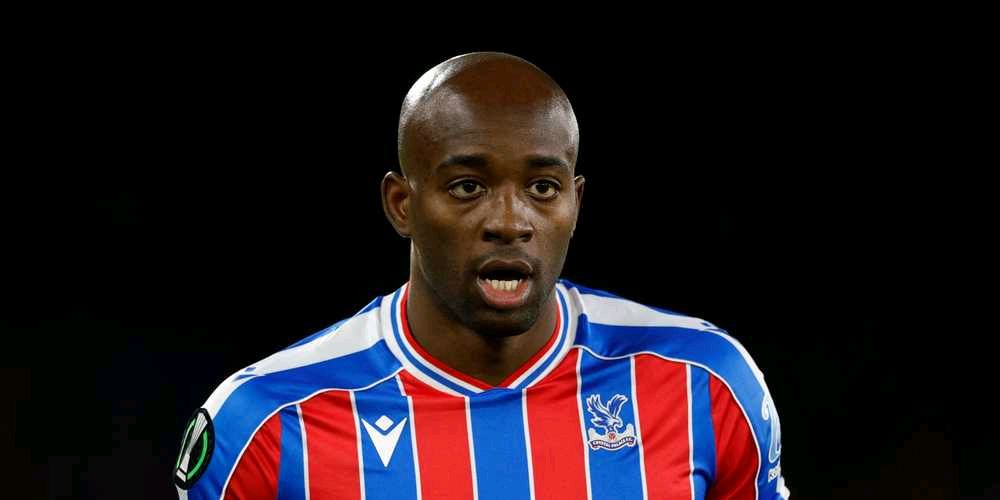
Guehi’s transfer, completed on Monday, marked the end of a pivotal chapter in Palace’s recent history.
The 25-year-old England international had grown into a leader on and off the pitch, embodying the resilience and ambition the Eagles have tried to cultivate in the Premier League.
His departure, however, was not simply a footballing decision — it was the culmination of months of internal disagreement, strategic dilemmas, and a ticking contractual time bomb.
A Sale Years in the Making
Marc Guehi’s future had been a lingering issue long before his January switch to Manchester City. With his contract set to expire in June, Palace faced a stark choice: sell now for a significant fee or risk losing their most valuable asset for nothing in the summer.
Last August, that dilemma nearly reached its conclusion when Liverpool tabled a £35 million bid for the defender on deadline day. At the time, Guehi was reportedly open to the move, tempted by the prospect of Champions League football and a step into the Premier League’s elite tier.
However, Palace chairman Steve Parish made the dramatic decision to halt the transfer at the eleventh hour.
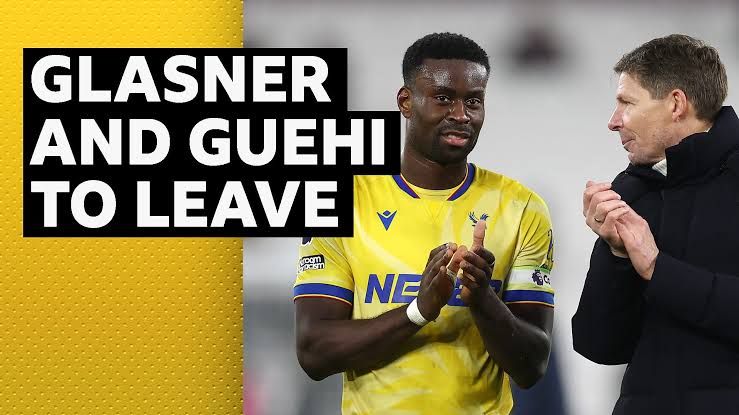
That move sparked friction within the club, particularly with newly appointed manager Oliver Glasner, who had already begun planning for life without Guehi and was pushing for a replacement to be lined up.
Parish’s stance then was rooted in pragmatism. Without a suitable defensive alternative secured, he believed allowing the captain to leave would destabilize the squad and derail the season before it had properly begun. That intervention kept Guehi at Selhurst Park — but only temporarily postponed the inevitable.
January Reality Forces Palace’s Hand
Fast forward to the winter transfer window, and the landscape had changed significantly. With Guehi entering the final six months of his contract, Palace’s bargaining power had diminished, and the risk of losing him for nothing loomed large.
Manchester City, alert to the situation, moved decisively. Pep Guardiola identified Guehi as a defender capable of fitting seamlessly into City’s possession-based system, valuing his composure, athleticism, and experience at the highest level.
Palace, this time, chose to accept reality. A £30 million offer was deemed too significant to turn down, especially given the alternative of no financial return at all. Yet while the board saw fiscal sense in the decision, Glasner viewed it as a betrayal of competitive ambition.
Glasner’s Public Outburst
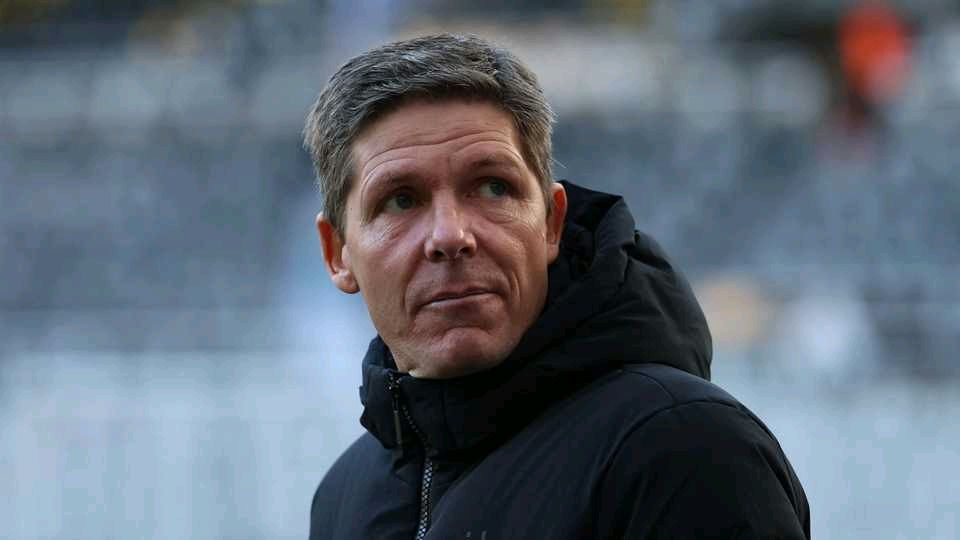
The fallout from the sale was immediate and dramatic. Speaking after the weekend’s fixtures, Glasner did not disguise his anger, accusing the club’s leadership of leaving him and his players exposed.
“To sell your captain in January without a replacement sends a message,” Glasner said bluntly. “At times it feels like we are being abandoned completely.”
Those remarks reverberated far beyond south London. Rarely do Premier League managers criticize their employers so openly, and Glasner’s words were interpreted as a sign that the relationship between coach and board had fractured beyond repair.
Sources close to the club suggest that Parish was furious with the comments, viewing them as unacceptable and destabilizing. For a brief period, Palace’s hierarchy seriously considered dismissing Glasner, believing his public stance risked undermining morale and inviting further scrutiny.
Parish’s Dilemma: Sack or Salvage?
The decision confronting Steve Parish was far from straightforward. On one hand, Glasner’s comments crossed a line in the eyes of the board.
On the other, sacking a manager mid-season — particularly one with a growing reputation across Europe — risked plunging the club into chaos.
Glasner, for his part, had already made his intentions clear. He revealed last week that he plans to leave Palace at the end of the season when his contract expires, adding another layer of complexity to the situation.
Complicating matters further were reports linking Glasner with Manchester United following the departure of Ruben Amorim. That speculation heightened the sense that Palace were losing control of their narrative, with their manager potentially already planning his next move.
Ultimately, Parish opted against pulling the trigger. Rather than escalate the conflict, the chairman chose to steady the ship, at least for the remainder of the campaign.
Parish Breaks His Silence
In a carefully worded club statement released following Guehi’s departure, Parish acknowledged the significance of losing such an influential figure — though his remarks hinted at unresolved disagreement behind the scenes.
“There is never an easy time to bid farewell to a player of Marc’s calibre and character,” Parish said. “But we respect his desire to play football at the highest level.”
While the statement praised Guehi’s professionalism, leadership, and contributions to the club, it conspicuously avoided addressing the manager’s criticisms or the broader implications of the sale.
Those omissions spoke volumes.
Behind closed doors, insiders suggest Parish remains convinced the decision was unavoidable. Allowing a £30 million asset to leave for free would have represented a failure of stewardship, particularly at a club that prides itself on sustainability and smart trading.
The Cost Beyond the Balance Sheet
Yet football decisions are rarely measured solely in pounds and pence. Guehi’s exit has left a tangible void in Palace’s defence and dressing room. As captain, he was a unifying figure, someone players rallied around during difficult moments.
His departure mid-season risks unsettling a squad already navigating inconsistency and external pressure. Younger defenders now face increased responsibility, while Glasner must adapt his tactical setup without a cornerstone of his back line.
Fans, too, are divided. Some accept the logic of cashing in, while others view the sale as a symbol of a club content with survival rather than progress.
“Selling your captain in January tells everyone exactly where the priorities are,” one supporter wrote on social media. “And it’s not on the pitch.”
A Club at a Crossroads
The Guehi saga has laid bare the delicate balance Crystal Palace must strike between ambition and sustainability. Parish has long positioned himself as a custodian of the club’s long-term health, resisting the boom-and-bust approach that has crippled others.
However, Glasner’s frustration reflects a growing tension common across the Premier League: managers seeking immediate competitiveness versus owners guarding financial stability.
For Palace, that tension has rarely been more visible.
With Glasner set to depart at season’s end and key players moving on, questions are mounting about the club’s future direction. Will Palace double down on youth development and player trading, or will they seek to match the ambitions of their rivals with greater investment?
What Comes Next?
As the dust settles on Guehi’s departure, attention will shift to how Palace respond. Reinforcements may arrive, but replacing a leader of his stature will not be straightforward.
For now, the uneasy truce between Parish and Glasner holds. Yet the events surrounding this transfer have made one thing abundantly clear: Crystal Palace are navigating a defining moment.
Whether the sale of Marc Guehi proves to be a necessary sacrifice or a costly misstep will only become clear with time.
What is beyond doubt is that his exit has reshaped the club — financially, tactically, and emotionally — and exposed fault lines that may yet influence Palace’s trajectory long after this season ends.

 admin
admin