 admin
admin“That Can’t Happen Again”: Liam Rosenior Reflects After Chelsea Let Lead Slip in 2–2 Draw With Leeds United
“That Can’t Happen Again”: Liam Rosenior Reflects After Chelsea Let Lead Slip in 2–2 Draw With Leeds United
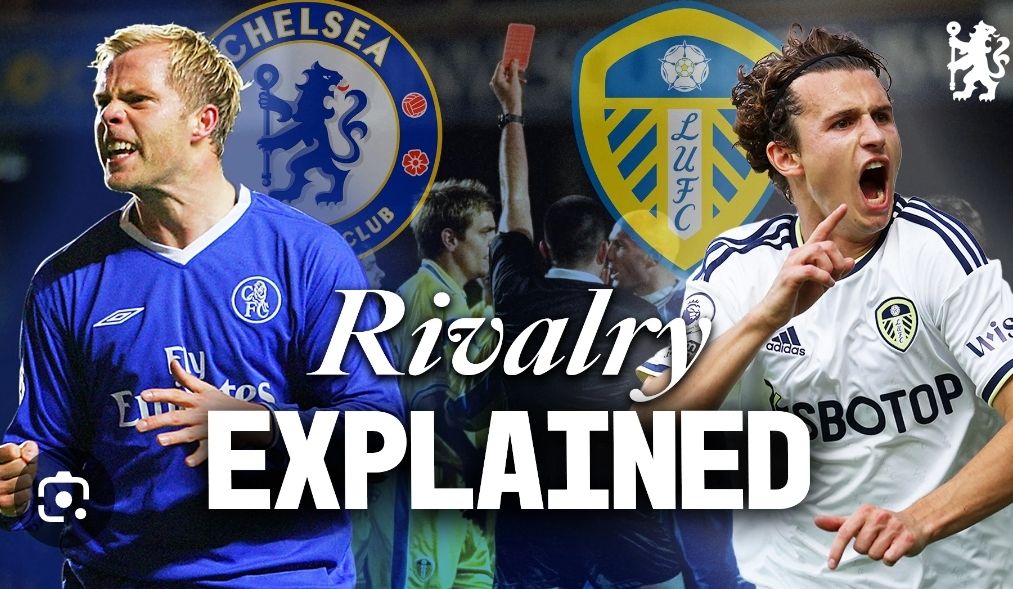
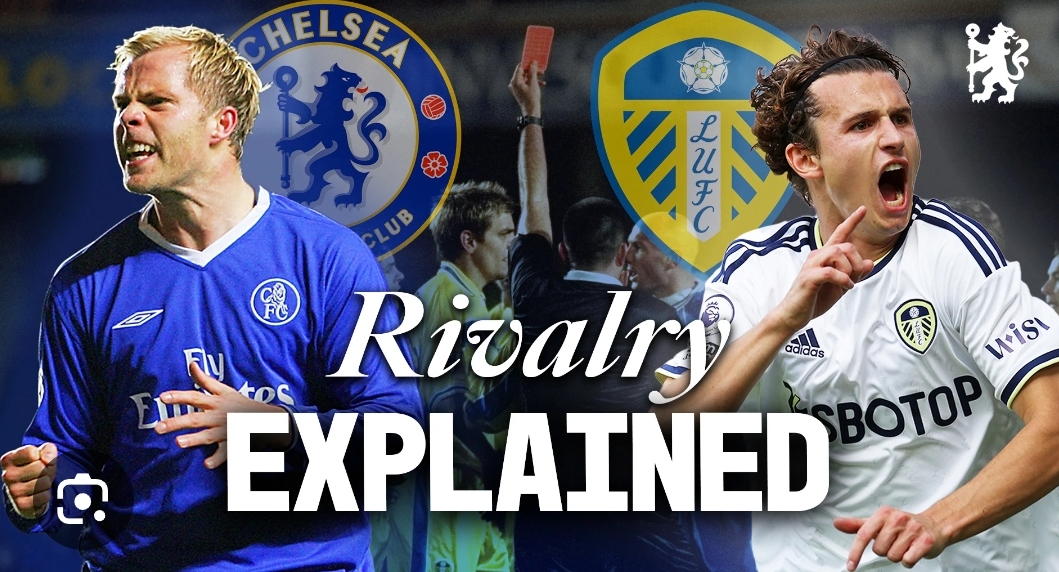
Chelsea manager Liam Rosenior faced a mix of frustration, measured criticism and tactical reflection in his post-match press conference following a dramatic 2–2 draw against Leeds United in the Premier League on Tuesday evening.
The Blues — who had looked poised to secure a fifth straight league win under their new head coach — saw that momentum slip at Stamford Bridge after a dominant first half was followed by a chaotic second-half collapse that allowed Leeds to snatch a point.
The result was bittersweet for Rosenior and his squad: an impressive performance for large stretches, but ultimately two dropped points that could have major implications in the race for European qualification.
In a thorough press conference, Rosenior dissected the performance, addressed controversial officiating decisions, and outlined both his disappointment and belief that his team can learn and grow from the experience.
Early Control and a Comfortable Lead
Chelsea’s performance had looked convincing for much of the first half and into the early second period. Goals from Joao Pedro and a penalty converted by Cole Palmer put the hosts in a commanding 2–0 position, seemingly in control of the match and ready to maintain their push toward a top-four finish.
However, the narrative shifted dramatically between the 60th and 75th minutes. A clumsy challenge by Moises Caicedo — who most observers acknowledged had otherwise been strong — gifted Lukas Nmecha a penalty, giving Leeds a route back into the match.
A defensive scramble immediately afterward saw Noah Okafor net a close-range equaliser, capitalising on a breakdown in Chelsea’s defensive organisation.
Rosenior described these moments as pivotal. “Anything can happen in football when you don’t take care of key moments,” he said, reflecting on how quickly the game slipped away after periods of dominance.
Blunt Assessment: ‘Six Minutes of Switching Off’
The overarching theme of Rosenior’s press conference was frustration with his team’s lapse in concentration. In particularly vivid language, he highlighted a brief window of six minutes in which Chelsea’s management of the match deteriorated. “Six minutes.
Six minutes of switching off,” Rosenior said, his voice conveying just how costly those moments were. “I don’t want to talk about the football we played. If we want to improve and get to where I think we can be, we have to just make sure we’re switched on for 90 minutes.”
He stressed that this lack of concentration — particularly after gaining a clear lead — was unacceptable for a team with Chelsea’s ambitions. “When we lead at 2–0, the game should be done at home,” he said. “There are certain things I can show the players so we make sure that can’t happen again.”
This blunt appraisal reflected Rosenior’s clear desire to balance positivity about his side’s performances with accountability for the mistakes that cost them three crucial points.
On the Controversial Equaliser: ‘Somebody Explain the Rules’
A significant portion of post-match discussion — both in the media and among supporters — revolved around the controversial nature of Leeds’ second goal. Rosenior was visibly irritated by the officiating, particularly regarding potential handball involvement in the play that led to Okafor’s equaliser.
“Whether we think it was handball or not in that moment, we’re still in control of the situation — we kick the ball away and then you ask for handball after,” Rosenior explained, expressing confusion and frustration over how the VAR and referees applied the rules.
He openly challenged stakeholders to clarify how such decisions are supposed to be interpreted, saying at one point: “If they’ve come with that judgment, someone explain the rules to me.”
While he acknowledged that he hadn’t yet seen replay footage at the time of speaking, Rosenior was clear that even if there was ambiguity over the call, his team shouldn’t have put themselves in a position where such a marginal decision was the decisive factor.
Cole Palmer’s Late Miss: ‘One-in-a-Thousand Moment’
To compound Chelsea’s frustration, Cole Palmer — who had enjoyed a strong game and scored the penalty ● — missed an almost certain winning goal in stoppage time, squandering what would have been a dramatic late winner. Rosenior was diplomatic in his reaction: “He’s in the position and 999 times out of 1000 he scores,” he said, describing it as an unfortunate, rare miss.
His tone balanced empathy for Palmer with a broader message about remaining composed and avoiding situations where such high-stakes moments become necessary in the first place: “We shouldn’t be in that position,” he said.
Acknowledging Positive Trends — and Persistent Errors
Despite the frustration, Rosenior also tried to place the result in a wider context. He pointed to Chelsea’s progress under his tenure, noting that even with a congested schedule and demanding opponents, the team had exhibited encouraging tactical traits and energy levels. “I hope people can see the progression already,” he said, referencing a busy period of fixtures.
Yet this optimism was tempered with realism. The draw highlighted recurring issues: defensive lapses, game management problems, and an inability to fully close out matches — themes that have occasionally surfaced throughout the season.
Rosenior’s comments suggested he sees both the promise and the problems clearly, and that addressing the latter is central to his ongoing work with the squad.
What This Means for Chelsea’s Season
The immediate implications of the draw are significant. Chelsea remain outside the Premier League’s top four, just behind rivals like Manchester United after failing to capitalise on a chance to leapfrog them in the standings.
In a tightly contested race for European qualification, dropped points at home can have lasting repercussions.
However, beyond the standings, Rosenior’s response to this match may be just as telling in the long run.
His readiness to publicly address errors, his insistence on accountability, and his abidance by tactical principles — even in disappointment — illustrate the culture he’s trying to establish at Stamford Bridge.
Whether this culture translates to results in the final months of the season will be a major talking point among fans and pundits alike.
Conclusion: A Bitter Pill to Swallow — and a Teaching Moment
Liam Rosenior’s post-match press conference following Chelsea’s dramatic 2–2 draw with Leeds United conveyed a manager grappling with frustration and ambition in equal measure.
He was disappointed by his team’s collapse from a winning position, candid about officiating controversies, and resolutely focused on his squad’s need to remain focused for 90 minutes.
At 41, and in just his tenth Premier League game in charge, Rosenior is still shaping his identity as Chelsea’s head coach. Nights like this — full of near triumphs and costly slips — are part of that journey.
While letting a two-goal lead slip is undeniably a setback, Rosenior’s handling of the situation may provide as much insight into his managerial mindset as the match itself.


 admin
admin