 admin
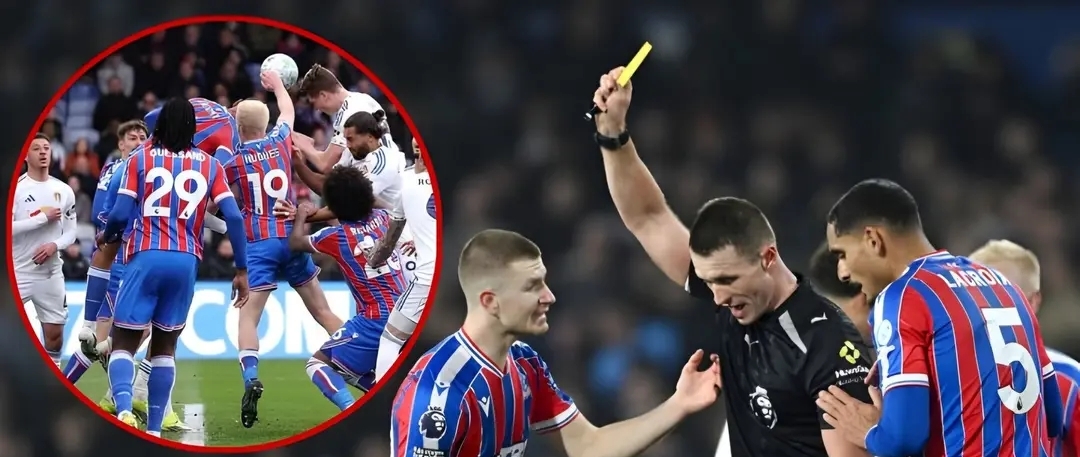
adminThe football world has been shaken by a dramatic turn of events following the controversial Premier League clash between Leeds United and Crystal Palace. Referee Thomas Bramall has reportedly been sanctioned and will not oversee any further matches for the rest of the season after a major error that proved costly for Crystal Palace.
The decision, said to have been backed by FIFA, follows widespread criticism of Bramall’s handling of the heated contest. What was expected to be a routine league fixture quickly turned into one of the most talked-about incidents of the weekend after a controversial call left players, managers, and supporters in disbelief.
During the match, Bramall made a key decision that many believe significantly altered the flow and eventual outcome of the game. Numerous observers described the call as a serious officiating mistake, one that Crystal Palace felt unfairly punished them at a critical moment.
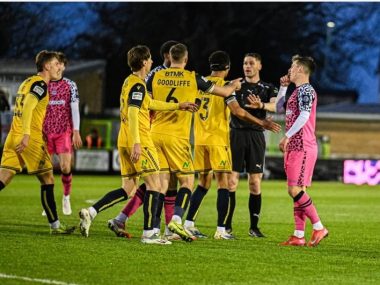
Frustration quickly grew on the pitch as Palace players protested, while fans inside the stadium and across social media expressed anger over what they saw as a clear injustice.
In the aftermath, debate around the incident intensified. Analysts, former referees, and football pundits reviewed the moment from several angles, with many concluding that the mistake was both costly and avoidable at such a high level.
Discussions about refereeing standards in the Premier League have long existed, but this episode once again placed heavy scrutiny on officials tasked with maintaining fairness in the game.
After reviewing the incident, football authorities moved swiftly.
FIFA confirmed that disciplinary action would be taken against Bramall, resulting in the referee being removed from officiating duties for the remainder of the season.
The decision has been viewed as a strong statement about accountability and the need to uphold high refereeing standards in professional football.
For Crystal Palace, however, the ruling offers little consolation. The controversial moment had a direct influence on the match and left players and supporters deeply frustrated. In a competition where every point can prove crucial, decisions of this scale can have major implications for a club’s ambitions.
Leeds United have also been drawn into the controversy. Although they benefited from the situation during the game, much of the conversation after the match has focused on the refereeing decision rather than the performances on the pitch.
Situations like this often overshadow the efforts of both teams and highlight the immense pressure placed on referees during high-stakes fixtures.
The incident has once again reignited discussion about officiating standards and the role of technology in modern football. Many fans are calling for stronger accountability and improved decision-making systems to reduce the likelihood of similar errors in the future.
For Thomas Bramall, the sanction represents a major setback in his career as a referee. Being sidelined for the rest of the season means missing several important fixtures, a punishment that reflects the seriousness of the controversy.
As the campaign moves forward, the situation serves as another reminder of how a single decision can shape the story of an entire match. For Crystal Palace, the frustration from that moment may linger, while football authorities will hope the disciplinary action helps restore confidence in the fairness and integrity of the game.

 admin
admin