 admin
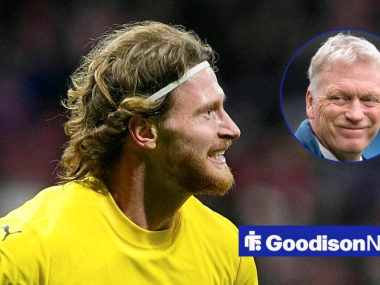
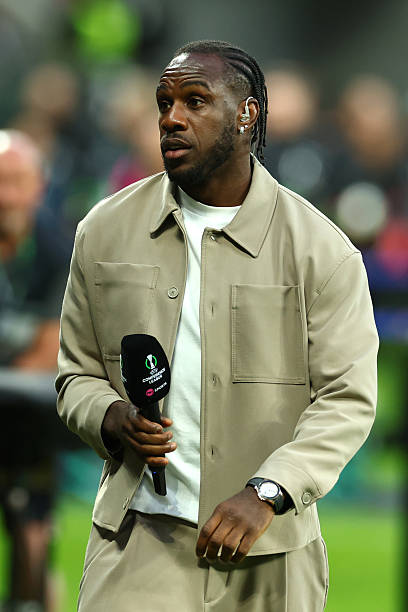
adminMichail Antonio has addressed speculation surrounding David Sullivan’s future at West Ham, following reports that the club’s owner could step away amid growing fan unrest.
In terms of popularity at the club, Antonio and Sullivan sit at opposite ends of the spectrum. Antonio, a charismatic figure and West Ham’s all-time top Premier League scorer, has earned cult-hero status thanks to his goals, personality, and a decade of dedicated service in east London. Sullivan, on the other hand, has become a target of supporter frustration, with many fans calling for him to sell the club—especially after the recent announcement of record losses totaling £104 million.
Reports have suggested Sullivan could consider stepping down, particularly if vice-chair Karren Brady also departs. It has already been confirmed that Sullivan will no longer act as the club’s de facto director of football. Despite the criticism surrounding the ownership, Antonio has publicly expressed gratitude toward Sullivan.
Now playing in Qatar after leaving West Ham last summer, the Jamaican forward reflected positively on his time at the club in an interview with talkSPORT.
“I love the club and how I was treated over the last 10 years,” he said. “Dave Sullivan is someone I’ve always appreciated for the way he handled things with me. I don’t have any resentment toward him.”
However, Antonio was far more critical when discussing former manager Graham Potter. He accused Potter of damaging the team’s culture due to insecurity and suggested the club’s current struggles stem partly from his tenure. Antonio even claimed that if Potter had been dismissed earlier, he himself might have been offered a new contract.
That said, many supporters view Potter as more of a symptom than the root cause of West Ham’s issues, pointing instead to the club’s ownership and leadership structure. As majority shareholder, Sullivan is ultimately seen as responsible for the broader direction and performance of the club.
Financial concerns remain a major issue. Experts have warned that West Ham may require new ownership soon, especially with further losses expected in upcoming financial reports. There are also fears that relegation could force the club to sell key players at significantly reduced prices.
While Sullivan and the board highlight achievements such as 14 consecutive years in the Premier League and a recent major trophy win, the financial picture raises serious questions. When Sullivan took over in 2010, the club reportedly had around £100 million in debt—yet over a decade later, the financial situation appears to have worsened, despite a relatively successful spell under David Moyes that included European qualification and the high-profile sale of Declan Rice.

 admin
admin