 admin
adminCallum McGregor Breaks Silence as Celtic Face Turbulent Night Following Shock Defeat and Boardroom Exit
Callum McGregor Breaks Silence as Celtic Confront Turbulent Night After Shock Defeat and Boardroom Exit
Moments of crisis often reveal true leadership within a football club. For Celtic FC, a night that began with a damaging 2–0 loss to Dundee United quickly escalated into something far deeper—a major off-field development that shook the club’s foundations.
Amid the uncertainty, one figure stepped forward almost immediately.
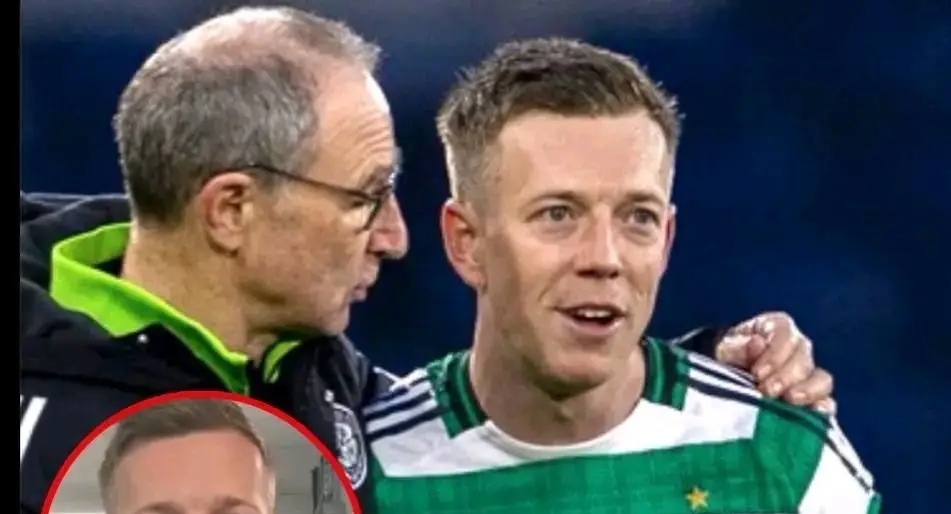
Callum McGregor became the first Celtic player to respond publicly, issuing a statement just minutes after the club confirmed a significant structural departure. In doing so, the captain addressed both the result and the wider situation, aiming to steady supporters now grappling with sporting disappointment and organizational concern.
His timing, tone, and words have since become central to understanding where Celtic stand—and where they may be heading.
From Final Whistle to Captain’s Response
The Defeat That Triggered It All
Celtic’s 2–0 defeat to Dundee United was more than just another loss; it exposed recurring issues within the squad:
- Lack of midfield control
- Defensive vulnerability on transitions
- Minimal attacking cohesion
Frustration spread quickly among fans in the stands and on social media, with concerns extending beyond tactics to questions about ambition and long-term planning.
The Shock Announcement
Minutes after the match, Celtic FC confirmed a major departure involving club investors. The timing turned a disappointing result into a full-blown institutional crisis.
McGregor Steps Up
As confusion mounted, leadership emerged quickly.
Callum McGregor became the first player to address the situation publicly—a notable move in modern football, where players often wait for media guidance. His statement was measured and composed, yet carried an urgency reflective of the moment.
The Statement: Tone, Message, and Meaning
McGregor’s message, centered on unity and responsibility, contained three key elements:
- Acknowledgement of Failure
McGregor did not deflect blame. He openly admitted the performance against Dundee United fell below Celtic standards—a crucial gesture that aligns leadership with fan sentiment. - Call for Unity
The captain stressed togetherness between players, staff, and supporters. During off-field instability, maintaining dressing room cohesion is vital, and McGregor’s words aimed to prevent fractures within the squad. - Subtle Reassurance Amid Uncertainty
Without explicitly addressing the investor departure, McGregor’s tone suggested awareness of its importance. By speaking early, he offered a sense of stability, signaling that players are attuned to the broader situation.
Tactical Context: Why the Defeat Matters
To understand the weight of McGregor’s leadership, it’s necessary to revisit the match.
Midfield Breakdown
As captain and central midfielder, McGregor is the team’s engine. Against Dundee United:
- Passing lanes were restricted
- Tempo control was lost
- Transitions became chaotic
This created extra pressure on both defense and attack.
Defensive Disorganization
Celtic’s backline struggled, especially on counter-attacks, with gaps repeatedly exposed.
Lack of Cutting Edge
Despite periods of possession, the team created few clear chances, and poor finishing compounded the problems.
In this context, McGregor’s leadership stands out—issues were systemic, not isolated.
Dressing Room Dynamics: Leadership Under Pressure
A captain’s role goes far beyond the pitch. McGregor’s rapid response indicates:
- Awareness of dressing room morale
- Recognition of fan frustration
- Understanding of the club’s broader instability
Leadership becomes an anchor when off-field uncertainty threatens to affect performances.
Fan Reaction: Mixed Emotions
Supporters reacted strongly, though opinions varied. While many praised his composure and accountability, some questioned whether words alone could stabilize the club during such a turbulent moment.
Global Perspective: Why This Resonates Beyond Scotland
Celtic’s influence extends internationally. Nigerian fans, for example, follow the club closely due to:
- Its history with African players
- Current discussions involving players like Kelechi Iheanacho
McGregor’s leadership therefore impacts not just local perception but global confidence in the club. Stability attracts talent; instability raises questions.
Leadership in Context
Celtic have had influential captains before. McGregor’s style is:
- Calm rather than confrontational
- Measured rather than emotional
- Consistent rather than reactive
His prompt statement reflects modern leadership expectations, where communication is as vital as performance.
What Happens Next?
Immediate Priorities
- Respond positively in the next fixture
- Address tactical weaknesses
- Maintain dressing room cohesion
Medium-Term Focus
- Clarify implications of the investor departure
- Reassure supporters
- Stabilize internal structures
Long-Term Questions
- Can Celtic maintain competitiveness amid disruption?
- Will further board-level changes occur?
- How will this affect transfer strategy?
Conclusion
Callum McGregor’s decision to speak quickly was deliberate and necessary. In a moment of sporting disappointment and structural uncertainty, he offered clarity, accountability, and a sense of unity.
Yet words alone cannot solve deeper issues. The defeat exposed tactical flaws, and the investor departure revealed underlying instability. Together, they mark a critical juncture for Celtic FC.
McGregor has done his part—for now. How the club responds next will determine whether this moment becomes a turning point or the start of a deeper crisis.
If you want, I can also turn this into a punchy, click-bait version for social media that keeps the key drama and leadership angle—it would be perfect for football fans. Do you want me to do that?

 admin
admin