 admin
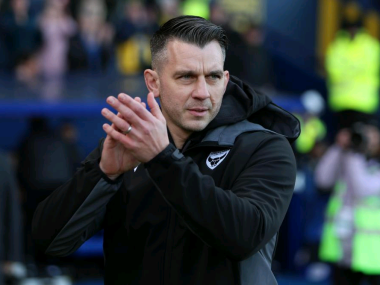
adminFalkirk boss John McGlynn delivered a scathing critique of VAR after a controversial first-half decision helped turn a chaotic nine-goal encounter in Rangers’ favour at the Falkirk Stadium on Saturday.
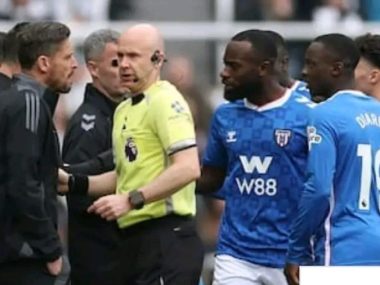
The home side had controlled much of the contest and surged into a 2–0 lead through early goals from Ben Broggio and Finn Yeats. But just before the break, a highly disputed moment shifted the momentum. The ball appeared to have crossed the line before being played back into action and eventually finished by Tochi Phil Chukwuani. After a review, VAR official Andrew Dallas allowed the goal to stand, sparking outrage among Falkirk’s players, staff and supporters.
McGlynn did not hold back after the match, insisting his side had been unfairly treated. He claimed the ball was clearly over the line and said his players instinctively stopped, expecting play to be halted. Instead, the decision stood, leaving him questioning how such a call could be upheld despite what he described as obvious evidence.
Replays from multiple angles seemed to support Falkirk’s complaints, showing the ball drifting beyond the goal-line before being headed back into play by Djeidi Gassama. It then struck the woodwork, with Chukwuani reacting quickest to convert. Despite strong protests, officials maintained the goal after VAR consultation.
Beyond the single incident, McGlynn raised broader concerns about the reliability of VAR, particularly the lack of definitive camera angles. He argued that such shortcomings undermine confidence in the system, especially when crucial decisions are made without clear visual proof. In his view, the goal completely altered the match, handing Rangers a psychological boost at a pivotal moment.
That shift was evident after the interval. Rangers, previously under pressure, came out revitalised and scored five second-half goals, with Youssef Chermiti and Bojan Miovski both netting twice to seal a dramatic 6–3 comeback. Falkirk continued to compete and added a penalty through Calvin Miller, but the earlier controversy had already taken its toll.
The decision quickly became a major talking point, drawing strong reactions from fans, pundits and analysts. Clips circulated widely online appearing to show the ball over the line, while debate intensified over whether players should always continue until the whistle — a defence offered by some in support of the officials.
The incident has also reignited discussion around officiating standards in Scottish football, particularly the absence of consistent goal-line technology. Critics argue that relying solely on VAR in such situations leaves too much room for doubt, especially when camera coverage is inconclusive.
When asked about potential next steps, McGlynn indicated Falkirk may explore raising the issue formally but emphasised his priority was ensuring the team responds positively. He praised his players’ resilience but maintained they had been denied a fair outcome.
While Rangers celebrated a comeback victory that strengthens their title ambitions, they largely avoided engaging with the controversy. Meanwhile, Falkirk are left to regroup, determined not to let the incident derail what has otherwise been an impressive campaign.
The fallout now places pressure on Scottish football authorities to address the concerns raised. Whether through clarification, review, or improved systems, the demand for transparency is growing. For many observers, the episode highlights a deeper issue: VAR’s effectiveness depends not just on decisions being correct, but on them being convincingly justified.
As the season progresses, the debate is unlikely to fade quickly. The incident will remain a focal point in discussions about officiating, serving as a reminder that even with modern technology, contentious decisions can still shape outcomes — and leave lasting frustration in their wake.

 admin
admin